Tafadzwa Benson Chataika
Tafadzwa Benson Chataika, Sculptor and Visual Artist
Born 2001 in Mbare, Harare, Zimbabwe.
Lives and works in Harare, Zimbabwe
Chataika’s artistic practice engages primarily with found and discarded materials, including used sacks, transparent plastic bottles, and African fabric prints. These materials are commonly used in everyday life within his community, and through them he reflects on the lived experiences, survival strategies, and daily labour of the people around him. His work explores themes of repetition, endurance, resilience, and survival, highlighting the physical and emotional demands of sustaining life under challenging conditions.
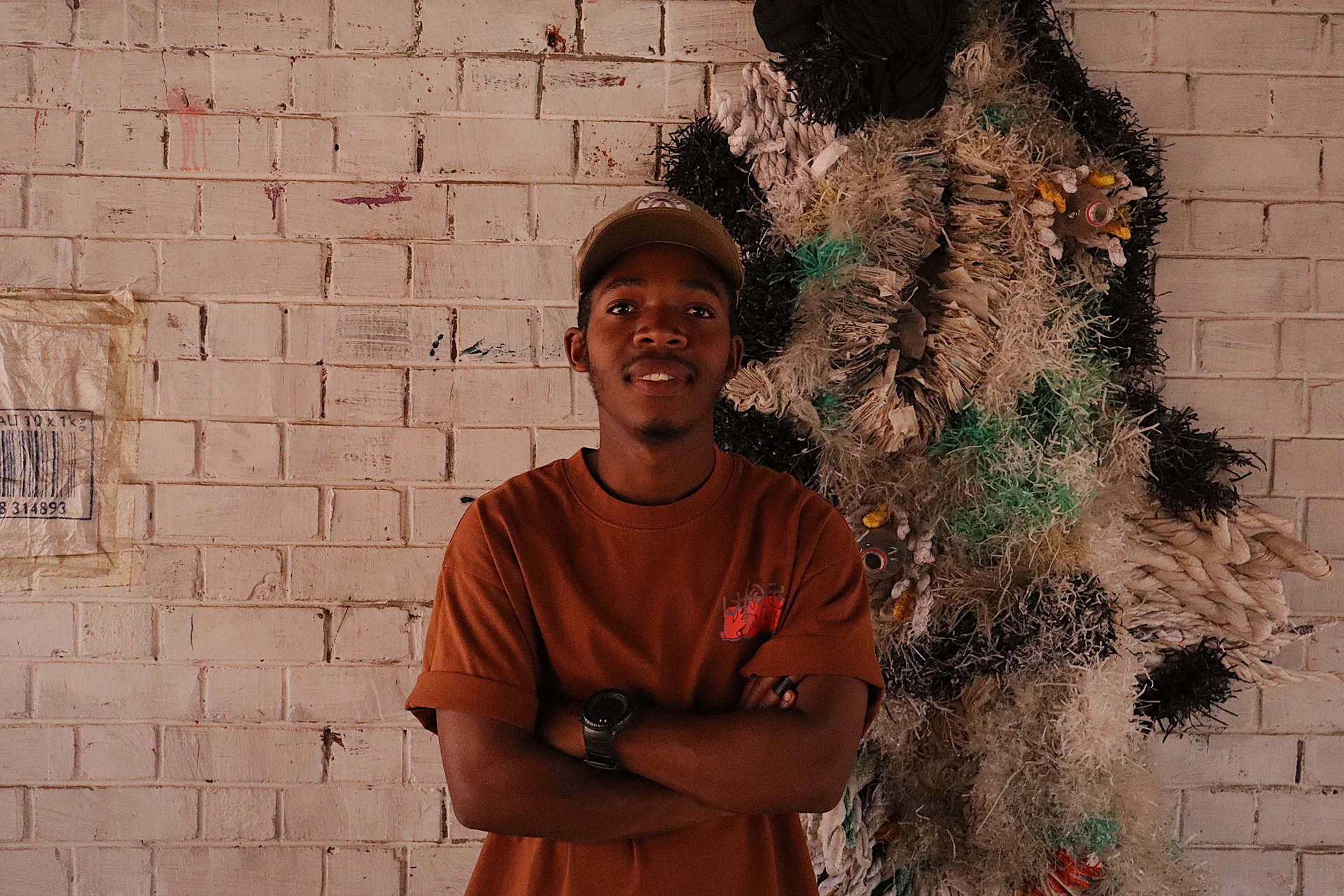
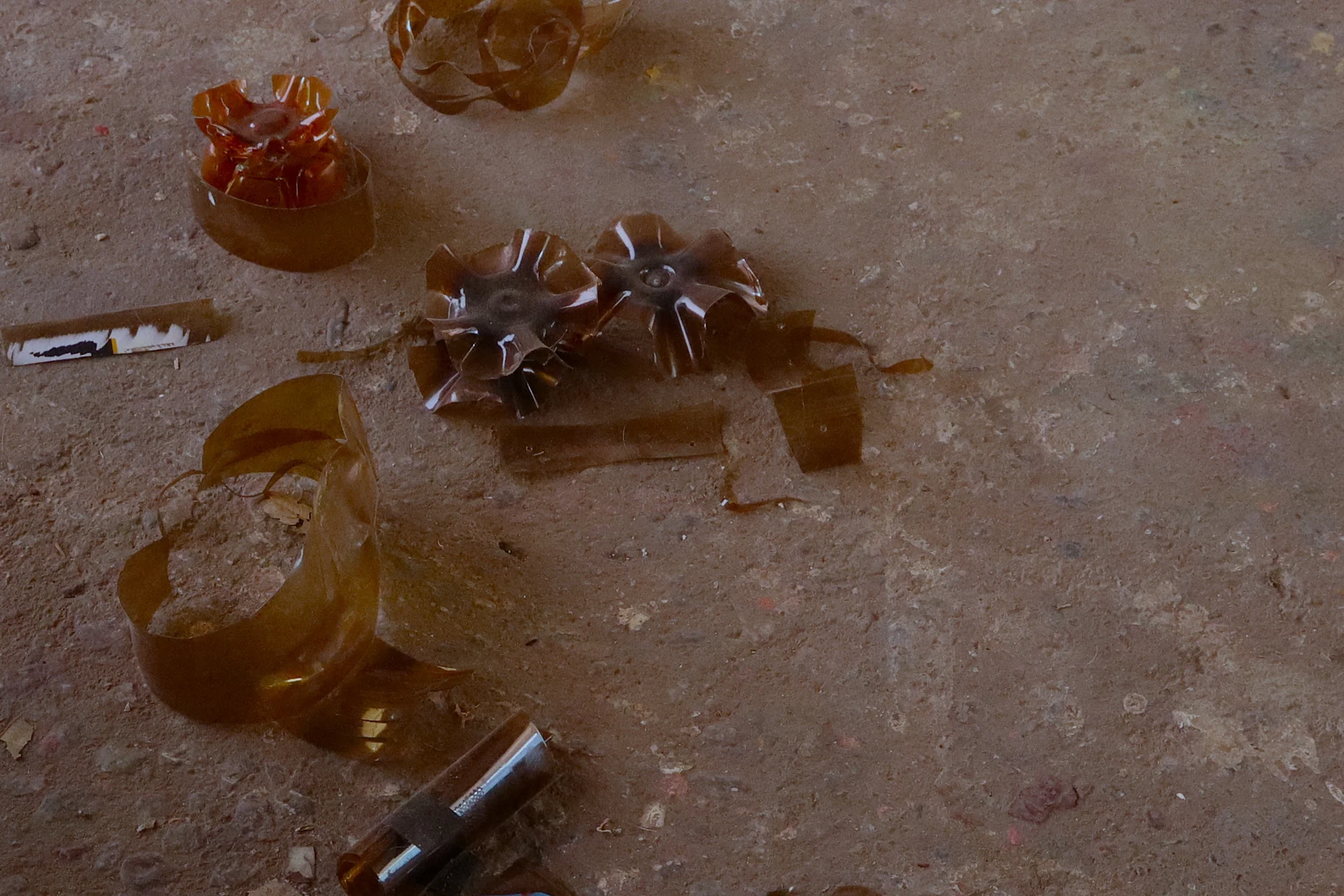
When working with plastic bottles, Chataika begins by collecting discarded transparent bottles from his surroundings. He cleans and disinfects them before cutting the bottom sections into circular forms. Small holes are drilled at the centre of each circle, and fabric is inserted between the plastic layers. These elements are joined using transparent fishing line and later assembled into a single artwork, emphasizing repetition and collective strength.
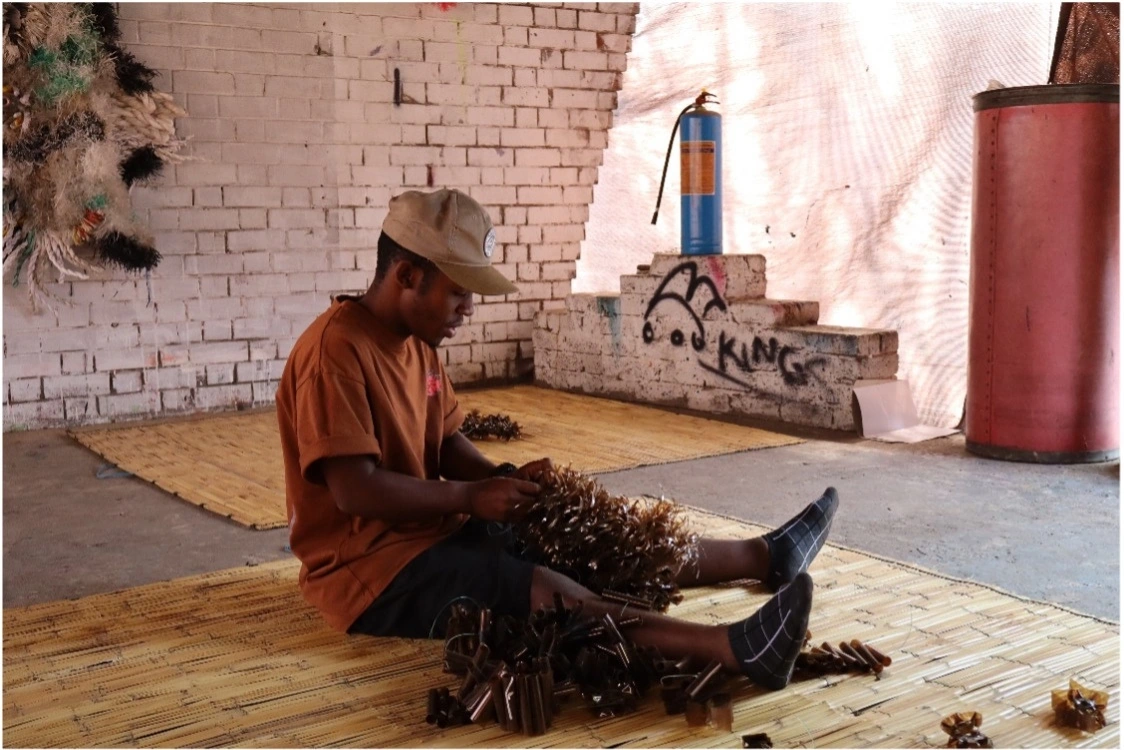
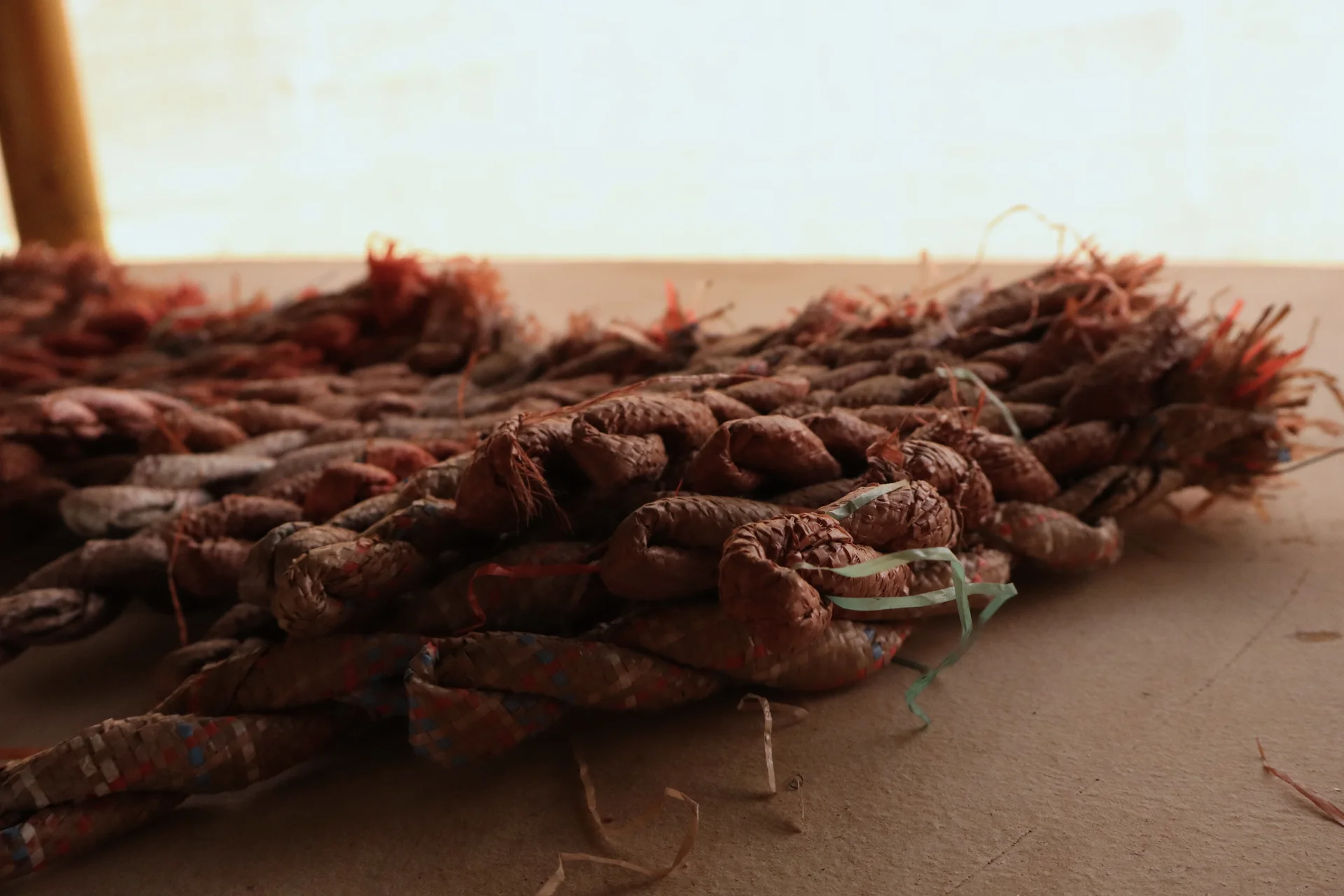
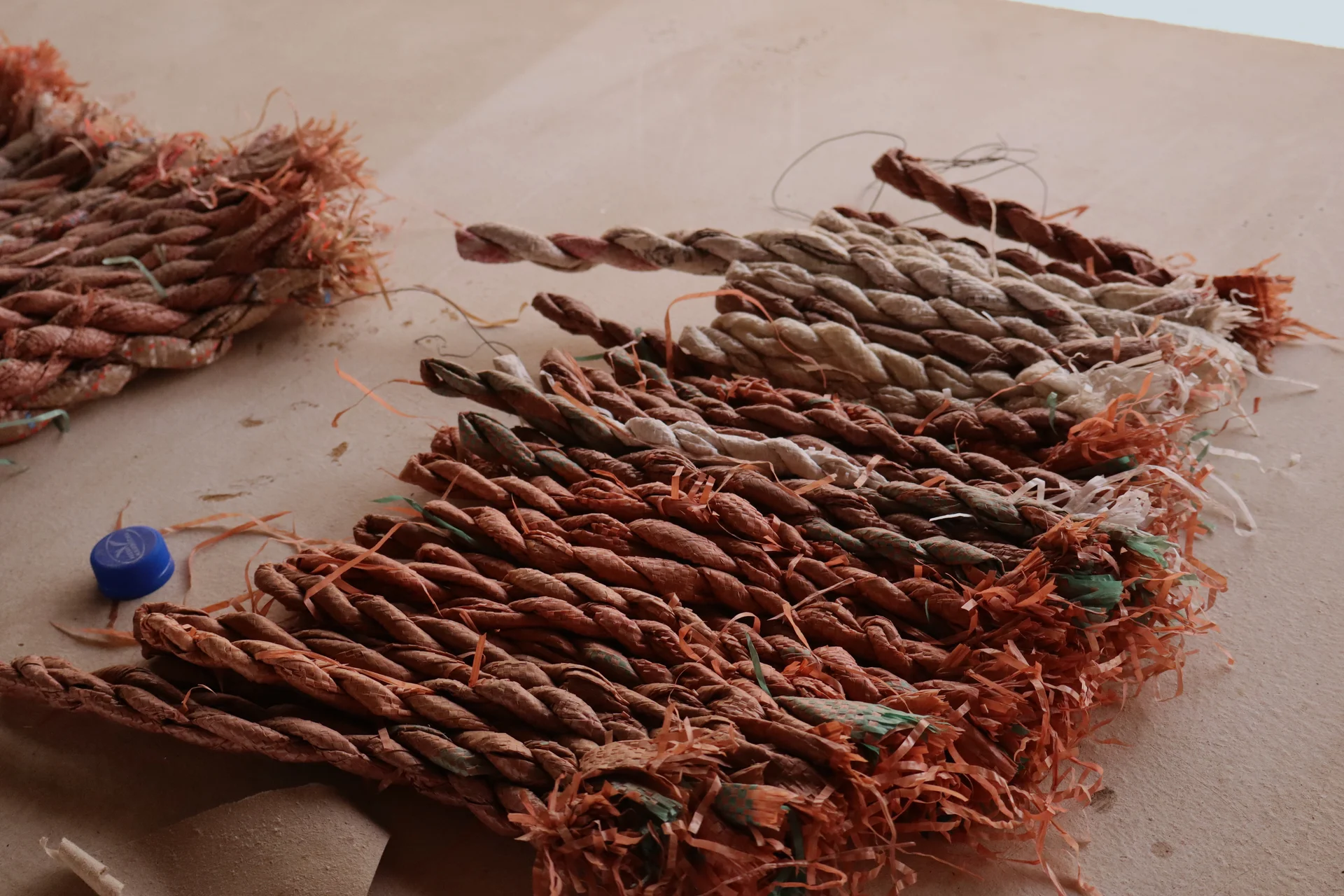
In his work with sacks, which he collects from various locations, Chataika cleans the material before stripping it into lines. He knots, weaves, and manipulates these strips, sometimes preserving their original textures and forms. The resulting lines are gathered to form a unified piece. The shapes in his work vary—some are organic, reflecting the unpredictability of life, while others are inspired by the forms of sacks carried daily by people in his community.
Through these materials and processes, Chataika’s work reflects on labour as both necessity and resistance, revealing how ordinary materials and repetitive actions embody resilience, perseverance, and collective survival within his community.
A Moment in Time with Tafadzwa Chataika Benson
At the time of meeting him, Chataika’s studio space is nestled between small art studios at Mbare Art Space. Earthy brown tones dominate the room, creating a grounded atmosphere that complements the materials of his practice scattered throughout the space. The floor is layered with discarded brown plastic bottles and sacks, while against a brick wall rests a piece that feels almost like a portrait—a reflective surface prompting viewers to confront the discrepancies of everyday life.
As the eye moves across the work, it encounters a range of textures and materials transformed into forms held together through varying tensions. The piece provokes an internal dialogue, raising questions about plastic consumption and its pervasive use, as well as the relationship African communities share with sacks—often referred to as shangani bags. These sacks resonate with communities on the continent and in the diaspora, representing something different for everyone. They remind those in the diaspora of home, when seen rotating around a conveyer belt during international commutes
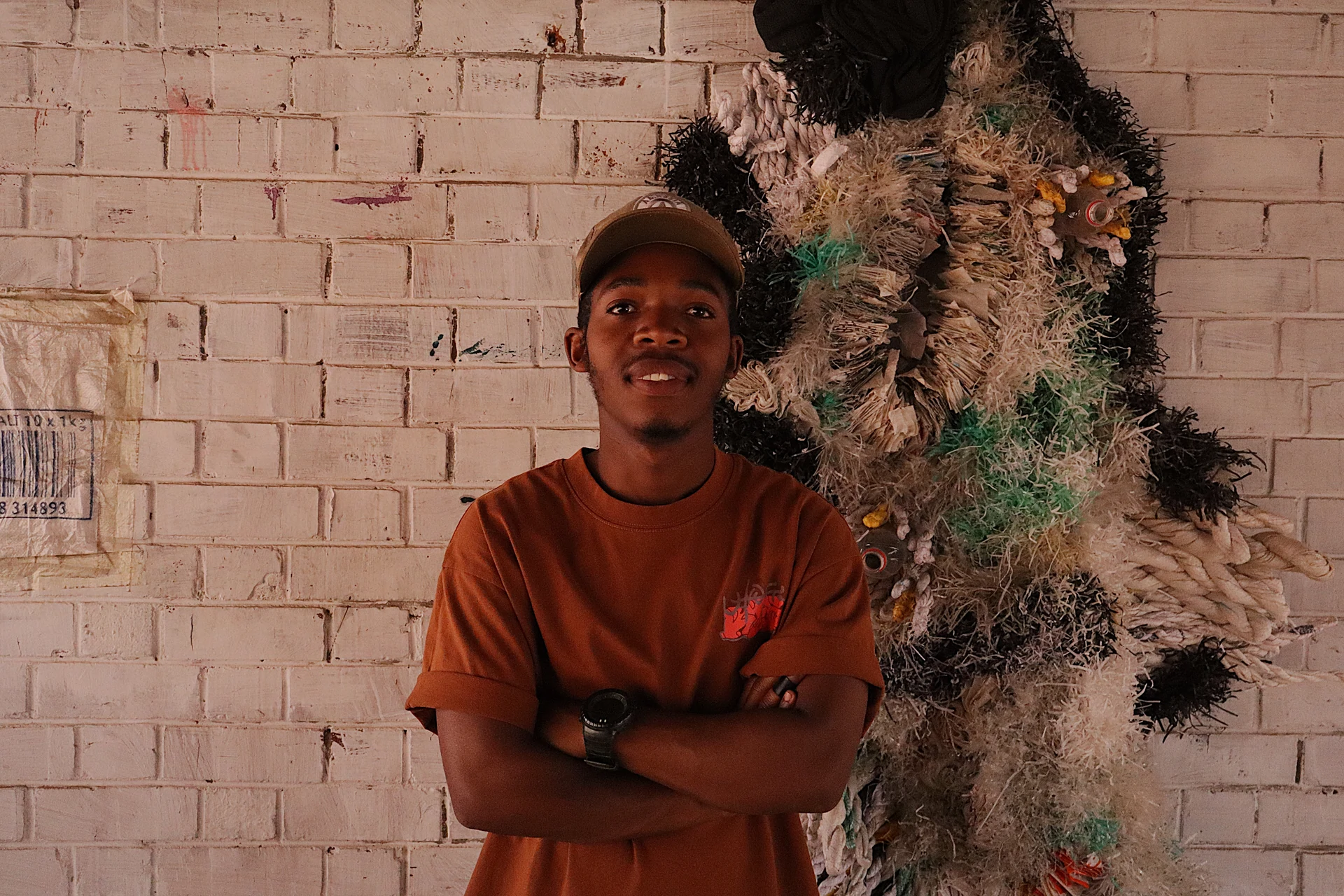
A broader conversation emerges around the existential crisis of humanity’s relationship with plastic and the urgent realities of sustainability. As we engage in conversation about this compelling medium and its layered truths, Tafadzwa agrees to be photographed at work and alongside the materials he uses—materials that force audiences to confront uncomfortable, yet necessary realities embedded within everyday objects.